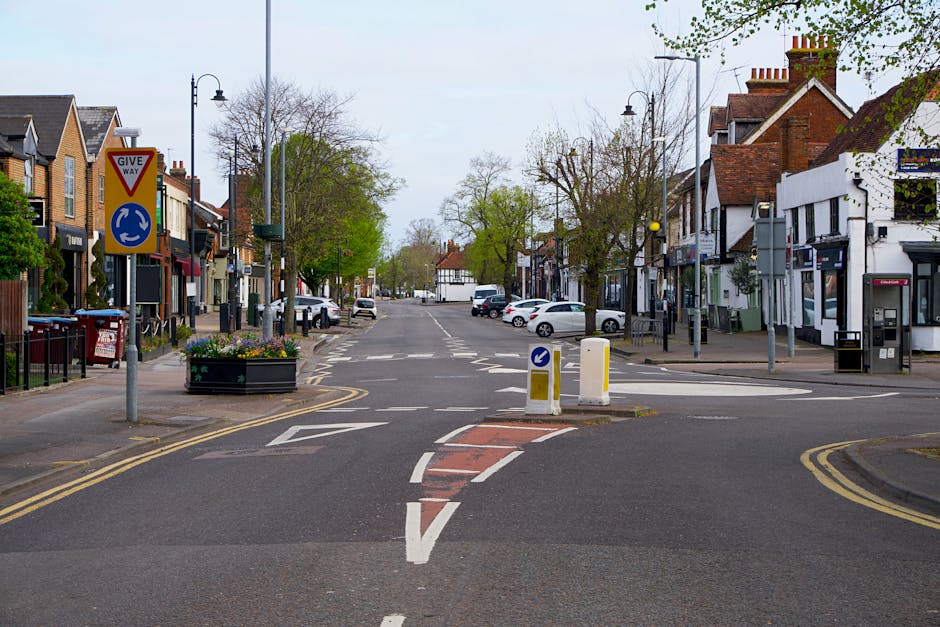
Hillingdon removals Uxbridge High Street to Heathrow done right
If you are planning a move from Uxbridge High Street to Heathrow, the details matter more than the distance. Traffic patterns change, loading space can be tight, timing can be unforgiving, and the wrong packing choices can turn a simple local removal into a frustrating day. Hillingdon removals Uxbridge High Street to Heathrow done right means planning the route, protecting your items, choosing the right vehicle, and coordinating the move so it feels calm rather than chaotic.
This guide walks you through what a well-run move actually looks like, who it suits, where people usually go wrong, and how to make smart decisions before moving day arrives. If you want a broader overview of services first, start with the services overview or explore removals in Hillingdon for a wider picture of what is available.
For many moves on this route, the real challenge is not the mileage. It is the combination of access, timing, parking, and making sure everything is ready when the van arrives. Get those parts right, and the rest becomes much easier.
Table of Contents
- Why Hillingdon removals Uxbridge High Street to Heathrow done right Matters
- How Hillingdon removals Uxbridge High Street to Heathrow done right Works
- Key Benefits and Practical Advantages
- Who This Is For and When It Makes Sense
- Step-by-Step Guidance
- Expert Tips for Better Results
- Common Mistakes to Avoid
- Tools, Resources and Recommendations
- Law, Compliance, Standards, or Best Practice
- Options, Methods, or Comparison Table
- Case Study or Real-World Example
- Practical Checklist
- Conclusion
- Frequently Asked Questions
Why Hillingdon removals Uxbridge High Street to Heathrow done right Matters
A move between Uxbridge High Street and Heathrow may look straightforward on a map, but real-world removals are rarely map-simple. You may be dealing with busy roads, delivery windows, apartment access, mixed property types, or time pressure linked to work, travel, or tenancy handovers. A smooth move depends on more than transport.
Done properly, the move reduces stress, protects furniture, and keeps your schedule intact. Done badly, it can lead to scratched items, last-minute delays, missed handovers, and a much longer day than expected. That is especially true if you are moving bulky furniture, fragile boxes, or awkward items such as mirrors, beds, or a piano.
The route itself also influences how you should plan. In busy local areas, a removal team needs to think about vehicle access, waiting time, and the best loading strategy. If your belongings are already boxed, labelled, and grouped by room, the move becomes far more efficient. If not, even a short trip can feel long.
This is why people often look for a man and van in Hillingdon or a more complete removal service rather than trying to improvise on the day. The service should fit the scale of the job, not the other way around.
Practical summary: local removals succeed when transport, timing, packing, and access are planned together. If one part is weak, the whole move feels harder than it should.
How Hillingdon removals Uxbridge High Street to Heathrow done right Works
A well-managed local removal usually follows a simple but disciplined process. It starts before moving day, continues through careful loading, and finishes with placement at the destination in the order that suits you.
1. Review the move properly
The first step is identifying what needs moving, how much space it will take, and whether any items need special handling. A small flat move may need one van and two people; a larger household move may need more time, more space, or a staged plan. If you are moving from an upper-floor property, that access detail matters as much as the furniture list.
2. Prepare items for transport
Packaging is where many people either save time or create extra work. Strong boxes, wrapping materials, and clear labels help prevent damage and confusion. If you want a better packing process, the guide on flawless packing for your next move is a useful companion read. For box supplies, the page on packing and boxes in Hillingdon can help you think through what you need.
3. Match vehicle and manpower to the job
The right vehicle is not just about size. It is also about access, load shape, and the number of items to be handled safely. A smaller load may suit a man with a van in Hillingdon, while a fuller property move may benefit from a larger removal van in Hillingdon. Choosing the right option keeps the day efficient and avoids paying for capacity you do not need.
4. Load in a sensible order
Load planning should protect fragile pieces and make unloading easier. Heavier items usually go first, with lighter and more delicate items secured around them. Sofas, tables, and boxed items should not shift in transit. If you have a sofa that needs careful handling, this advice on storing a sofa safely offers helpful principles that also apply during transport.
5. Deliver at the right time
Sometimes the best move is not the fastest one, but the one delivered at the time that suits your access, schedule, or handover window. That is where a service such as delivery at the best time for you becomes genuinely useful. If you are packing in advance and want the crew to collect when you are ready, the idea behind pack your items and wait for the crew can be a real advantage.
6. Finish with placement and checks
On arrival, a good team will place items in sensible rooms, check for obvious damage, and help you get the move settled rather than leaving everything in one pile. That last part sounds minor. It is not. A good unload can save you an entire evening of re-sorting boxes.
Key Benefits and Practical Advantages
There are clear reasons people choose a structured removal service for this route rather than trying to handle it all themselves.
- Less stress: You avoid the panic of trying to coordinate keys, parking, and loading at the same time.
- Better protection: Proper packing and lifting reduce the chance of damage to furniture and walls.
- Smarter timing: The move can be aligned to your work schedule, tenancy deadline, or arrival window.
- More efficient use of time: A planned move usually finishes faster than a disorganised one.
- Safer handling: Heavy lifting is done with better technique and equipment.
- More control: You choose how much help you need, from simple transport to a more complete house move.
There is also a less obvious benefit: confidence. Once you know the job has been sized correctly, you can focus on what comes next rather than worrying whether the van will be too small or whether the sofa will fit through the stairwell. That peace of mind is worth something on move day, lets face it.
If your move includes a larger property, take a look at house removals in Hillingdon for a broader service option, or flat removals in Hillingdon if access and stairs are part of the challenge.
Who This Is For and When It Makes Sense
This kind of move suits a wide range of people, but it is especially sensible in certain situations.
Homeowners and tenants moving locally
If you are leaving a flat, maisonette, or house near Uxbridge High Street and heading toward Heathrow or the surrounding area, a local removal team can handle the job without the overhead of a long-distance service. That can be more cost-effective and easier to coordinate.
Students and short-term movers
Students often need flexible timing, lighter loads, and a quick turnaround. A targeted option such as student removals can be a better fit than a full-scale house move package.
People with bulky or awkward items
If your move includes a sofa, bed, mattress, freezer, or piano, the job is no longer "just a few boxes." It needs care, lifting know-how, and sometimes specialist handling. For those items, the related guides on moving a bed and mattress and why piano moving needs professional help are worth reading before you make a plan.
Busy households with limited time
If you are juggling work, children, or a tight handover date, a removal team removes a lot of friction. The move can be broken into manageable steps instead of taking over your entire week.
Anyone who values a tidy exit
Some moves need move-out cleaning, recycling, or decluttering before the van arrives. That is common, and it is manageable when planned early. If that sounds like your situation, the guide to efficient decluttering tactics and the article on move-out cleaning success can help you prepare properly.
Step-by-Step Guidance
If you want the move to go smoothly, treat it like a sequence rather than a single event. Here is a practical way to think about it.
- Confirm what is moving. Make a simple list of furniture, boxes, appliances, and fragile items. Do not rely on memory alone.
- Separate what stays and what goes. Declutter first. If you are unsure, set aside a "decision box" so you do not keep rethinking every item.
- Measure access points. Check stair width, lift access, doorways, parking space, and any low ceilings or tight corners.
- Choose the right service level. Decide whether you need a straightforward man and van, a larger removal team, or help with packing and loading.
- Pack by room and label clearly. Use simple labels such as kitchen, bedroom, documents, and fragile.
- Set aside essentials. Keep keys, medication, chargers, basic toiletries, and important paperwork with you.
- Confirm timing. Recheck collection and delivery times so the day fits your access window. If timing is tight, make use of the page on best-time delivery.
- Protect awkward items. Use blankets, bubble wrap, mattress covers, and suitable strapping where needed.
- Load with order. Put the heaviest and most stable items in first, then fill gaps with lighter boxes.
- Check rooms before leaving. Open cupboards, loft access, and utility areas so nothing is accidentally left behind.
A simple move often becomes complicated because people try to do everything on the day. Preparing even 24 to 48 hours in advance changes the whole experience. A little structure goes a long way.
Expert Tips for Better Results
These are the small decisions that make a local move smoother. None are dramatic on their own, but together they prevent the usual headaches.
- Use fewer, stronger boxes. Overfilled boxes split and are harder to carry.
- Keep weights balanced. Heavy books should not go into the same box as fragile glassware.
- Wrap items before moving day. Last-minute wrapping is where damage often begins.
- Keep pathways clear. Hallways cluttered with loose bags slow everything down.
- Plan for parking, not just transport. A van parked well can save more time than an extra pair of hands.
- Label sides, not just tops. Boxes are often stacked, so side labels are easier to read.
- Take photos of complex setups. That helps with reassembly and cable sorting later.
- Do not move alone if the item is awkward. For genuinely heavy lifting, the advice in lifting heavy things solo explains why solo handling is usually a bad idea.
Truth be told, the best moving day is often the one that looks slightly boring from the outside. Everything is ready, nobody is rushing, and the van leaves on schedule. That is a win.
Common Mistakes to Avoid
Most moving problems come from a small set of recurring mistakes. Avoid these and you eliminate a surprising amount of risk.
Leaving packing until the last minute
This creates rushed decisions, poor box quality, and missing labels. It also makes it much harder for the removal team to work efficiently.
Underestimating access issues
People often think the route is the hard part, but access is usually the real challenge. Narrow staircases, limited parking, and shared entrances can all affect timing.
Choosing the wrong vehicle size
Too small, and you need extra trips. Too large, and you may pay for space you never use. A sensible fit matters more than guesswork.
Failing to separate fragile items
Glass, screens, artwork, and sentimental items need special handling. If you treat everything the same, something usually pays the price.
Ignoring specialist items
A piano, freezer, or large sofa may need different handling from standard boxes. If in doubt, read the specialist guidance rather than hoping for the best.
Forgetting about timing buffers
Local traffic, lift waits, and handover delays can all push a move back. Build a little breathing room into the schedule.
A calm move is rarely an accident. It is usually the result of a few careful choices made early.
Tools, Resources and Recommendations
You do not need a warehouse of equipment to move well, but the right basics make a big difference.
- Strong boxes: Use reliable boxes in a few standard sizes where possible.
- Packing tape: Choose proper packing tape rather than general-purpose tape.
- Protective wrap: Useful for glass, screens, ornaments, and furniture edges.
- Mattress covers: Helpful if you are moving beds or storing mattresses briefly.
- Removal blankets: Reduce scuffs to furniture and door frames.
- Dolly or trolley: Helpful for heavier items and repetitive trips.
- Labels and marker pens: Simple, but essential.
For a more complete service approach, you may want to combine transport with packing support or storage. The page on storage in Hillingdon is especially useful if your move dates do not line up neatly, while furniture removals in Hillingdon is a good fit for larger household items.
If sustainability matters to you, the site's recycling and sustainability page is worth a look. Reuse, responsible disposal, and less waste are all sensible priorities during a move.
Law, Compliance, Standards, or Best Practice
For most domestic removals, the key compliance issues are practical rather than dramatic. You want a provider that treats your belongings carefully, communicates clearly, and follows sensible safety procedures. If a move involves shared access, parking restrictions, or building rules, those should be respected from the start.
From a best-practice perspective, look for clear terms, transparent pricing, suitable insurance, and a straightforward complaints process. Those details do not make a move exciting, obviously, but they do make it easier to trust the service.
It is also sensible to confirm payment methods and security expectations before the move. If you want to understand those details ahead of time, review the pages on payment and security, insurance and safety, and terms and conditions. For wider service reassurance, the health and safety policy and complaints procedure are also relevant.
Professional removals should also be respectful of accessibility needs where applicable. If that affects your move, the accessibility statement is a useful point of reference.
Options, Methods, or Comparison Table
Not every move needs the same level of help. The best choice depends on how much you are moving, how quickly you need it done, and how much lifting you want to avoid.
| Option | Best for | Strengths | Limitations |
|---|---|---|---|
| Man and van | Small to medium local moves | Flexible, efficient, often well suited to short distances | May not suit full-house moves with many large items |
| Man and a van | Single-room loads, student moves, lighter household items | Simple, practical, cost-conscious | Limited capacity for larger furniture volumes |
| Full removal service | Whole homes, larger flats, complex access | More support, better for heavy and varied loads | May be more than needed for very small jobs |
| Same-day removals | Urgent or short-notice moves | Fast response, useful when plans change suddenly | Availability can be tighter and planning time shorter |
If you are deciding between these options, think about total volume first, then access, then timing. Many people start by asking about price, which is fair enough, but the best-value option is usually the one that fits the job properly. For urgent situations, same-day removals in Hillingdon can be a practical fallback.
Case Study or Real-World Example
Consider a typical local move: a one-bedroom flat near Uxbridge High Street, a few boxes of books and kitchen items, a sofa, a bed frame, a mattress, and a couple of fragile bags. The destination is near Heathrow, and the move needs to happen between work shifts with limited parking at both ends.
A good approach would be to declutter first, pack boxes by room, disassemble the bed, wrap the sofa carefully, and keep an essentials bag separate. The removal team arrives at the agreed time, loads the large items first, then fills the remaining space with boxes and soft items. Because access and timing were checked in advance, there is no guesswork on the day.
The result is simple: fewer trips, less lifting, less waiting around, and no last-minute panic because a mattress does not fit through a doorway. Not glamorous, but very effective.
If the same move had included a freezer or large piece of furniture, specialist guidance would have been helpful. That is where pages such as storing a freezer when not in use and what kinetic lifting entails add useful context.
Practical Checklist
Use this checklist to keep the move on track.
- Confirm collection and delivery addresses
- Check access at both properties
- Reserve parking if needed
- Sort and declutter before packing
- Pack fragile items separately
- Label boxes by room and priority
- Protect sofas, mattresses, and other large items
- Keep essentials with you
- Review the service level you need
- Confirm payment, timing, and contact details
- Set aside keys, documents, and chargers
- Walk through both properties before departure
If you want help turning that checklist into a proper moving plan, the simplest next step is to speak with the team directly through the contact page. A short conversation now can save a lot of confusion later.
Conclusion
Moving from Uxbridge High Street to Heathrow should not feel like a gamble. With the right planning, the right vehicle, sensible packing, and realistic timing, it becomes a controlled, manageable process rather than a stressful scramble. That is what Hillingdon removals Uxbridge High Street to Heathrow done right is really about: fewer surprises, better protection for your belongings, and a move that respects your time.
Whether you need a simple man and van, a fuller removals team, or support with packing, timing, or storage, the smartest approach is to match the service to the job and prepare the details early. Get the foundations right and the move usually feels much lighter.
Get a free quote today and see how much you can save.
Frequently Asked Questions
How far is a move from Uxbridge High Street to Heathrow in practical terms?
It is a local move, but practical time depends on traffic, parking, access, and how much needs loading and unloading. The route is usually manageable, yet logistics still matter more than distance.
Do I need a full removals team or just a man and van?
That depends on volume, furniture size, and access. A man and van often suits smaller local loads, while a full removals team is better for larger homes, heavy furniture, or more complex access.
Can I book a same-day move if plans change suddenly?
Sometimes, yes. Availability depends on the schedule and the size of the job. If your move is urgent, a service like same-day removals in Hillingdon may be worth checking first.
What should I pack separately for easy access?
Keep essentials such as keys, documents, medication, chargers, toiletries, and a change of clothes with you. That small step prevents a lot of searching later.
How do I protect furniture during a local removal?
Use blankets, wrapping, mattress covers, and proper handling. Sofas, tables, and wardrobes should be secured so they do not shift in transit.
Is storage useful if my move-in and move-out dates do not line up?
Yes. Short-term storage can be extremely helpful when one property is not ready on time. The storage in Hillingdon page is a useful place to start.
What if I have a heavy or awkward item like a piano?
Specialist handling is strongly recommended. Heavy, valuable, or awkward items need care that goes beyond standard lifting, and the right equipment makes a real difference.
How do I know what size vehicle I need?
The best way is to list the furniture and boxes, then consider access. A smaller move may suit a van, but a fuller household move may need more capacity or multiple trips.
What makes a local move more expensive?
Extra labour, difficult access, waiting time, specialist items, and additional trips can all affect cost. Clear planning helps avoid unnecessary extras.
Should I declutter before I book the move?
Yes, ideally. Decluttering before the move reduces volume, lowers risk of damage, and can make packing much faster. The guide to efficient pre-move decluttering is a useful reference.
Can I choose a delivery time that fits around work or handover windows?
Often yes, depending on availability and the service booked. If timing is critical, look for a provider that can work around your schedule and discuss it clearly in advance.
Where can I find quotes, service details, and support?
Start with the pricing and quotes page and then use the contact page for anything specific to your move. Clear information early makes decision-making much easier.